
From Stereo to Dolby Atmos: Shaping the Encore Cut of Crocodile Dundee
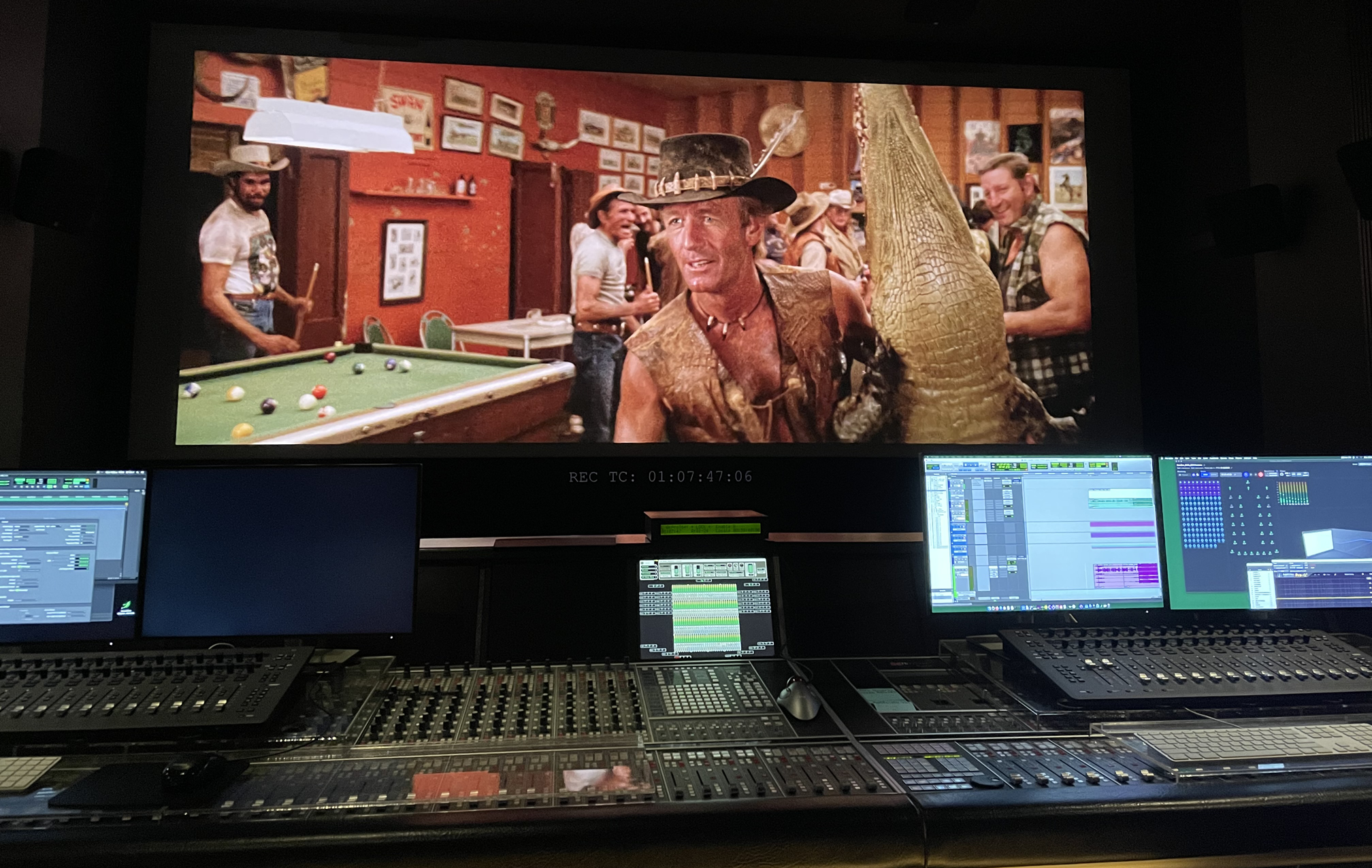
When The Grainery asked SilverSun Pictures to handle the audio restoration and new Dolby Atmos mix for CROCODILE DUNDEE: THE ENCORE CUT, I teamed up with fellow re‑recording mixer and sound editor Tim Duck to help bring an Australian classic into a new era. Working alongside The Grainery’s picture restoration team and the original producers at Rimfire Films, our goal was simple: keep the heart of the film intact, while making it sound better than it ever has in cinemas.
Back in 1986, Crocodile Dundee was released with a stereo mix designed for the technology of its time. Today, audiences are used to immersive sound that wraps around them. The challenge was to respect the original mix and performances while taking advantage of modern tools – including a new generation of AI‑assisted audio software – to clean, stabilise and gently enhance what was already there.
Finding the right starting point
A key turning point in the project came when The Grainery located a Dolby Stereo print master from the 1990s. Instead of being limited to a simple stereo track, we now had a version of the film that contained more detailed spatial information. That gave us a much better foundation to rebuild the soundtrack for today’s cinemas and home theatres.
Cleaning, repairing and clarifying
Decades‑old film soundtracks inevitably carry noise, wear and inconsistencies. Using modern restoration tools, we were able to reduce hiss and hum, repair small defects and bring dialogue forward so it feels clearer and more consistent, without stripping away the character of the original recordings. AI‑driven processing helped us identify and treat problem areas more quickly, but every decision still came down to listening and taste.
Building a modern soundfield
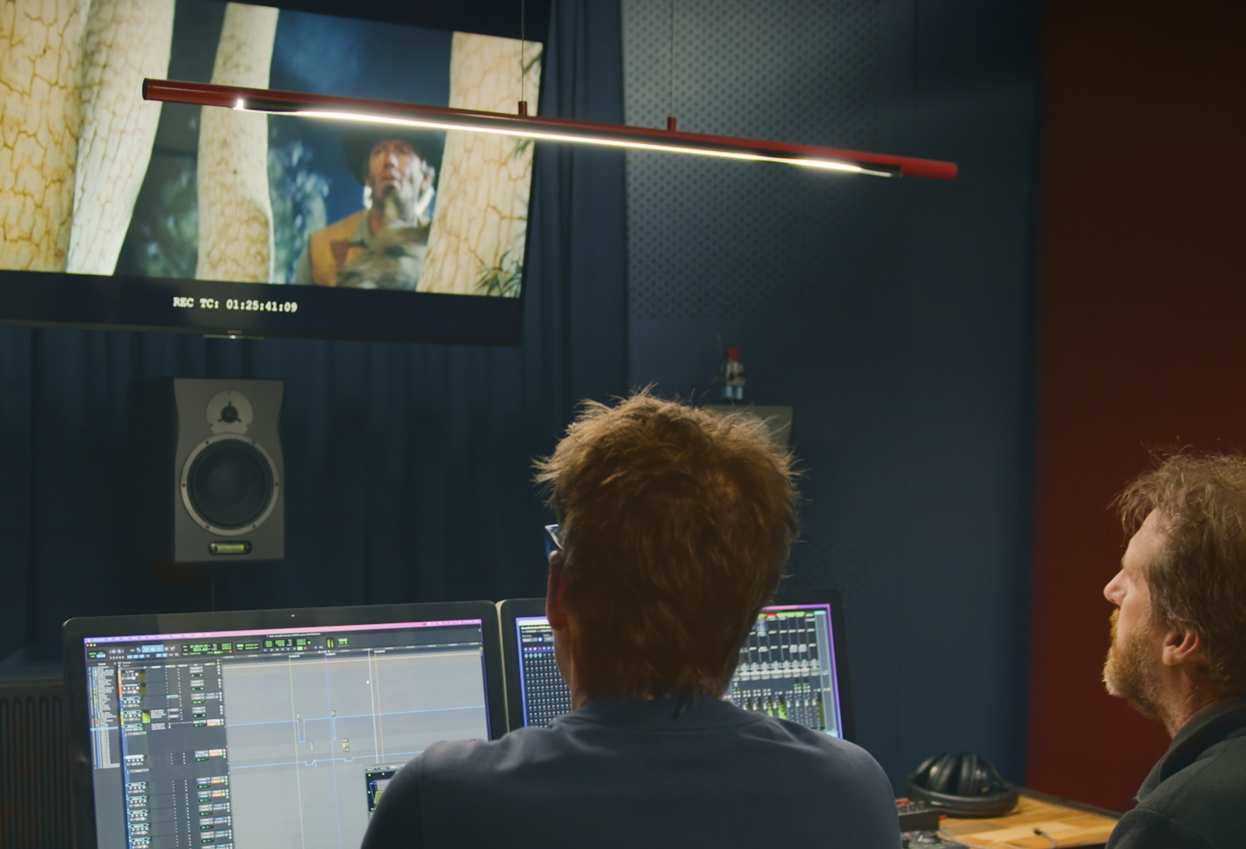
Once the material was cleaned and stabilised, we rebuilt the surround field for contemporary 5.1 and Atmos playback. That meant recentring dialogue, strengthening environmental sounds and creating appropriate low‑frequency energy in moments that benefit from more impact. From there, we stepped into Atmos, carefully adding height and movement so bush ambience, cityscapes and select effects could subtly extend above and around the audience.
The philosophy was always restraint. Atmos can be spectacular, but on a film like Crocodile Dundee it works best when it supports the story rather than drawing attention to itself. The job was not to redesign the film; it was to let audiences experience the world of Mick Dundee with a clarity and scale that matches the new 4K image.
How AI and new tools helped
AI and machine‑learning tools didn’t “mix” the film for us, but they did make certain tasks far more efficient. They helped separate elements inside old mixes, reduce noise more transparently than older techniques and automate parts of the quality‑control process. That gave us more time to focus on the creative questions: where to keep things simple, where to lean into immersion and where to let silence do the work.
Honouring a cultural icon
CROCODILE DUNDEE: THE ENCORE CUT is a reminder of what’s possible when producers, picture restoration teams and audio post work together with a clear, shared intention. For us at SilverSun Pictures in Watson, it was a privilege to contribute to a film that means so much to so many people – and to help ensure that when audiences fall in love with it all over again, they’re hearing it at its absolute best.
If you’re looking at restoring a classic feature, a series or a significant documentary, we’re always happy to talk about what’s possible with today’s audio tools, and how to approach it in a way that honours both the material and the audience.