
Good sound is invisible until it’s missing
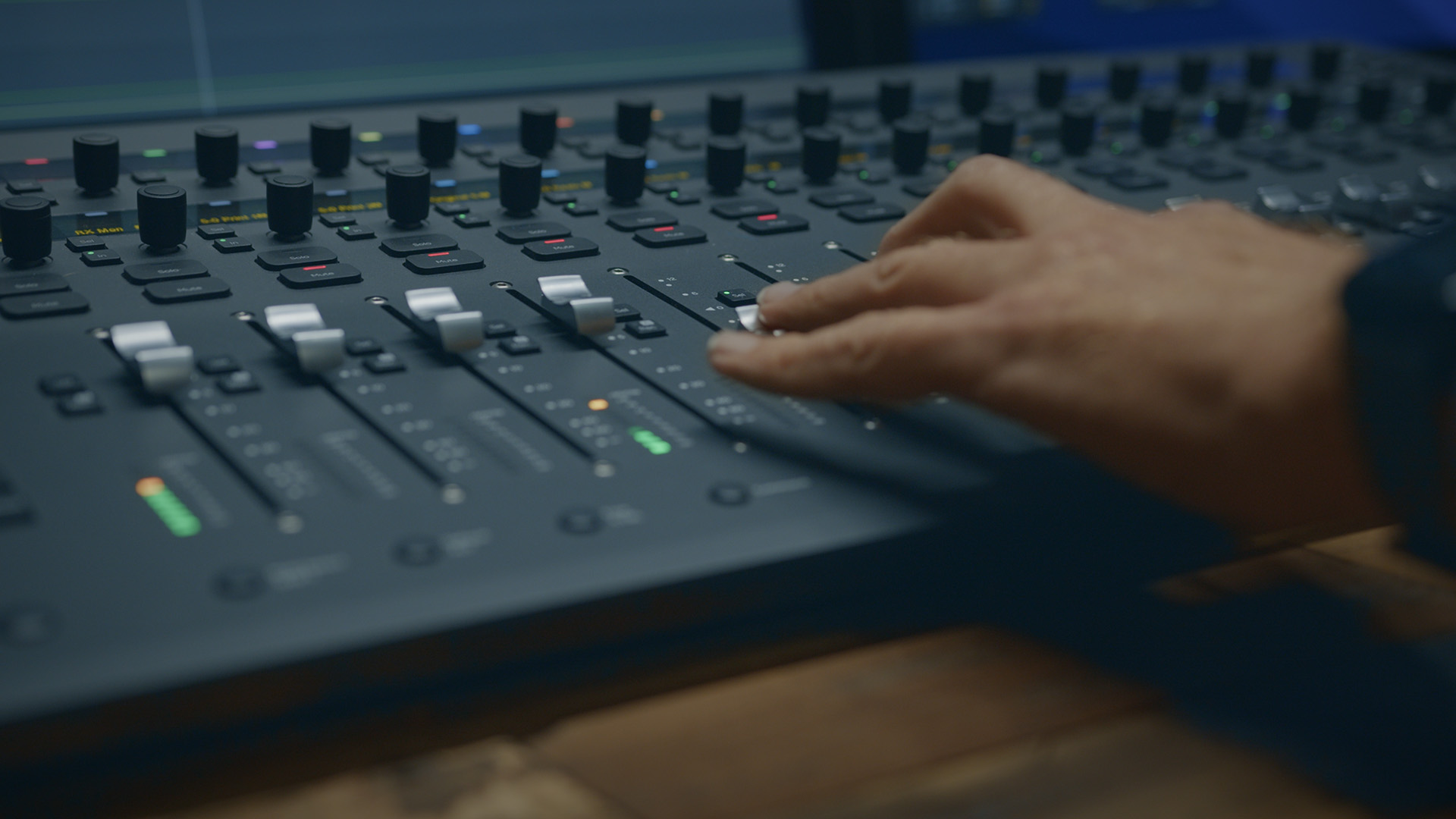
Most of the time, you don’t notice good sound. You hit play, you follow the story, and your brain happily assumes the world on screen just sounds like that. It’s only when something is missing – a line of dialogue, background life, the detail under B-roll – that the whole thing suddenly feels cheap or broken.
In short-form and corporate work, there’s rarely time or budget to rebuild sound from scratch. By the time it hits audio post, we’re usually on a tight schedule, patching together interviews, B-roll, animation and graphics into something that feels seamless. When the right sound isn’t there, you feel it straight away – even if you don’t quite know why.
When sound is treated as an afterthought on set
A lot of problems start before the editor even opens the project. You can see the love and care that goes into the pictures: lens choices, camera movement, lighting tweaks, art department details. But sound can get treated like a box to tick – “we’ve got a mic somewhere, right?” – especially on fast corporate and social shoots.
Typical culprits: noisy locations that nobody really listened to; air-con or fridges left running because turning them off is “too hard”; no time for room tone; no clean wild lines when someone trips over a key sentence; radio mics buried under six layers of branded clothing. On doco-style shoots, it’s often a case of “we’ll grab whatever we can”, which is fine… until that “whatever” has to carry the whole story.
All of that shows up later. Suddenly we’re trying to cut around aircraft, traffic, clattering cutlery or a buzzing projector that runs through every take. Dialogue jumps from dry to echoey. Backgrounds don’t match between angles. The easiest path – a simple, honest mix that disappears – becomes a rescue job.
What picture editors do (and don’t) pass on
Then there’s what happens in the edit. This is where a lot of good sound quietly disappears. Under deadline pressure, it’s tempting to strip things back: delete noisy sync, mute “messy” tracks, cut to picture only and keep the timeline looking neat. The problem is that neat doesn’t always equal usable.
If you’re an editor, you’ll know the drill: build the cut, tidy the tracks, export an AAF/OMF and move on. But when production sound has been thrown away or heavily trimmed, the sound team ends up staring at B-roll where people are clearly talking and interacting… and there is literally nothing underneath. No footsteps, no rustle, no clink of a cup, no murmur of conversation. Just silence and moving mouths.
At that point, there are only bad choices. You either leave it feeling oddly dead, or you spend hours rebuilding tiny details from FX libraries and foley – time that could have been spent shaping the overall feel of the piece. Even rough camera audio would have helped. Silence gives us nothing to hide behind.
The same goes for handles. If every clip has been chopped right to the edge of each line, there’s no breathing space to smooth edits, no extra syllable to steal, no tail of room tone to bridge a cut. Little things like leaving a second or two of handle, or keeping an alt take on a muted track instead of deleting it, make a huge difference once it lands in post.
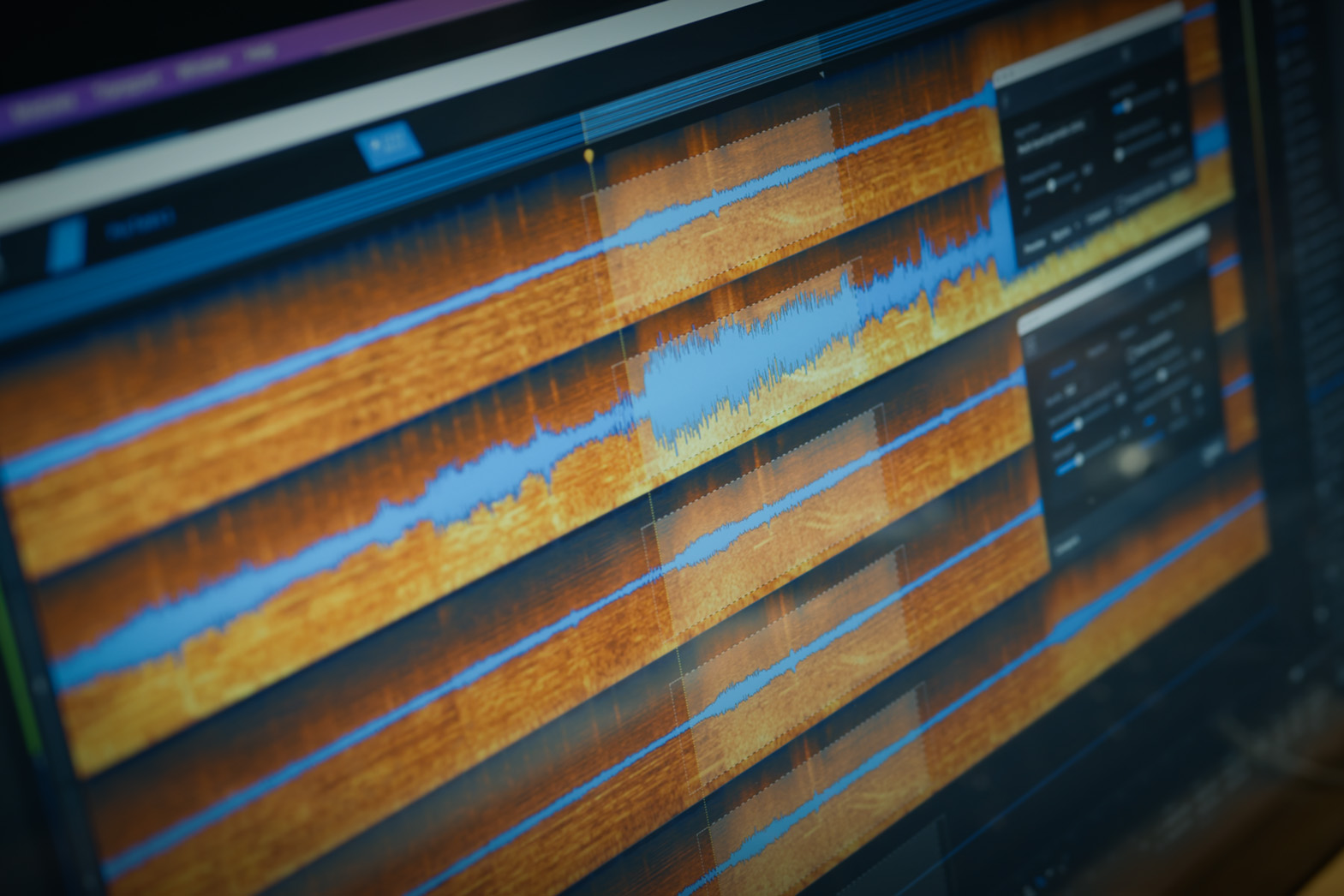
What “good” looks like from the mix stage
From our side at SilverSun, good sound on a project doesn’t mean fancy plugins or a Dolby Atmos badge (though we love those). It starts with having something solid and honest to work with: clear dialogue, consistent backgrounds, and enough coverage to avoid those silent-mouth moments where people are clearly talking but nothing is there to back it up.
On a corporate interview, that might mean: a lav and a boom to choose between, a handful of quiet takes without interruptions, and a minute of room tone once the questions are done. On doco-style or BTS pieces, it’s making sure the recorders are rolling for those in-between moments – the laugh before the answer, the aside, the sound of the room when something important happens. On feature or high-end work, it’s all of that plus good communication between departments so noisy VFX gags, stunts or background actions aren’t a surprise in the mix.
When we do get that kind of material, the mix becomes almost invisible. We can ride backgrounds so cuts feel smooth, focus your ear where it needs to be, and add detail and dynamics without the audience ever thinking about “sound design”. It just feels like the way that world should sound.
Simple habits that make you everyone’s favourite collaborator
The good news is that none of this is rocket science. A few small habits from crew and editors make life much easier for sound – and make the final work feel more expensive, even when the budget isn’t.
On set: actually listen to locations, not just look at them. Protect a couple of quiet takes for key lines. Roll 20-30 seconds of room tone in every space you shoot. If there’s a noisy fridge or air-con you can safely turn off, do it. If someone mangles a crucial sentence, grab a quick wild line before you move on. And if there are unavoidable problems, slate them – tell future-you (and us) what’s going on.
In the edit: cut with production sound on, not just the guide. Keep usable sync on muted tracks rather than deleting it. Leave handles. Export a proper AAF/OMF with production tracks, not just the polished mixdown. If you know there’s a tricky section – a jump-cutty interview, a noisy scene, a complex montage – flag it early so we can plan, rather than discovering it on mix day.
Good sound should feel invisible. But it doesn’t happen by accident. It’s the result of a whole chain of small decisions, from location recce to final export. When everyone in that chain treats sound as part of the storytelling – not an afterthought or a problem to hide – the work feels smoother, more trustworthy, and a lot more fun to mix.