
When to choose live action vs animation (and when to blend both)
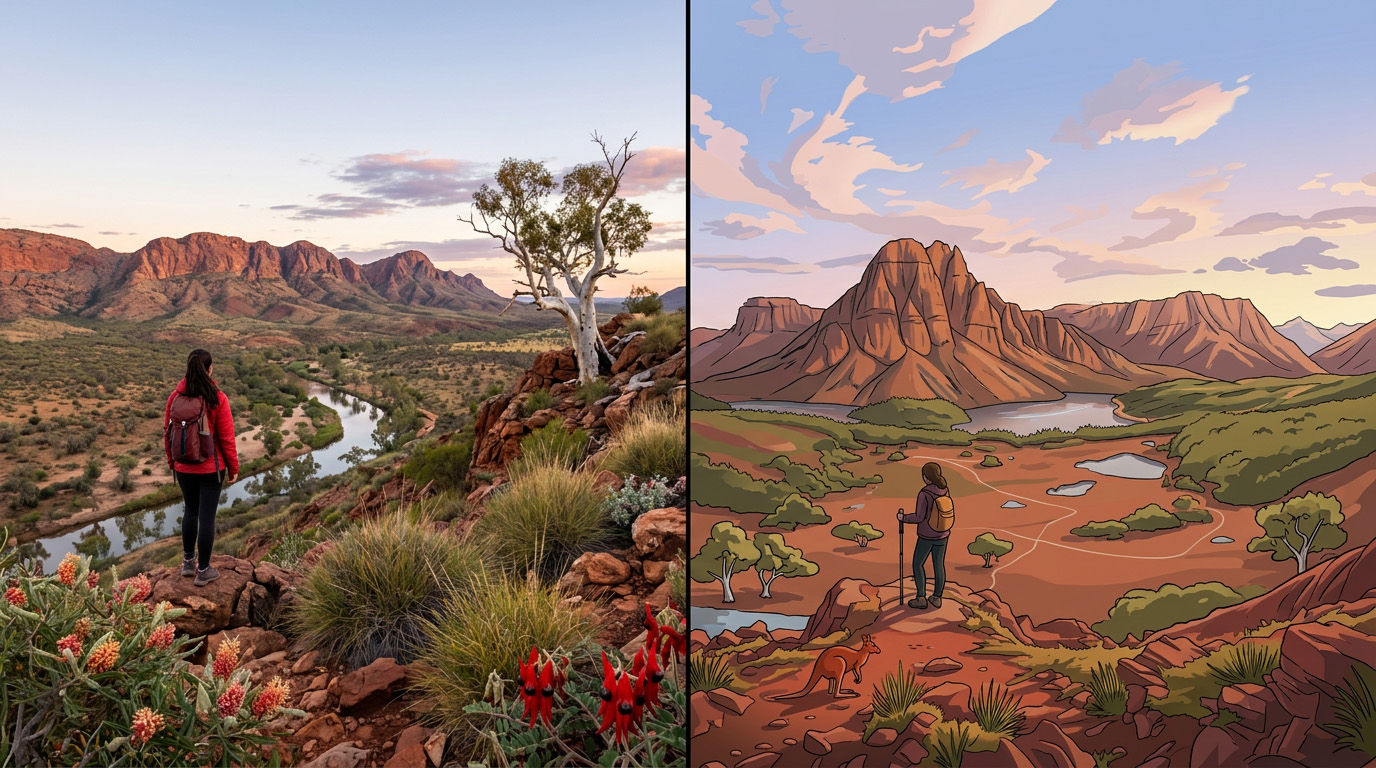
One of the first questions clients often bring to us is, “Should this be live action or an animation?” Sometimes they’ve already decided before we’ve seen a brief. From my side of the table, the format is a tool, not the starting point. The real decision is how best to make the idea clear and engaging for the people who need to watch it.
A few weeks ago I wrote about why animation is often the easiest way to explain hard things, especially when you’re dealing with complex information. Today is a look at where live action shines, where animation is the smarter choice, and how we often combine the two.
Because we produce both live action and animation at SilverSun, we’re not trying to steer anyone towards one particular camp. We’re trying to match the medium to the message, the audience and the realities of budget and timeline. Often, the best answer isn’t “live action or animation” at all – it’s a mix of both.
When live action does the heavy lifting
Live action comes into its own when you need real people, real places and real emotion.
If the whole point of the piece is to build trust – with staff, stakeholders or customers – then seeing a human being on screen still beats even the most elegant graphic. Leadership messages, culture films, staff stories, recruitment videos and client testimonials all benefit from a real face, real voice and real body language. You’re asking the audience to believe you. You need to show them who “you” is.
Live action is also the natural choice when the environment itself is part of the story. Campus tours, lab walk‑throughs, behind‑the‑scenes pieces, on‑site case studies, advertising – these all rely on what it feels like to physically be somewhere. A lens, some light and careful sound capture will usually get you there more quickly than trying to recreate everything in design.
Then there are the projects where you’re not really explaining a system; you’re showing a day in the life. Brand films, event highlights and many social pieces work best when we can be in the moment with people, not outside of it looking at diagrams. Live action lets us respond to real behaviour and tiny unscripted details – a glance between colleagues, a laugh in a meeting, the way someone moves through a space – that make the finished piece feel honest.
When animation is the smarter tool
Animation isn’t just “the fun option”. Often, it’s the most efficient way to make complex or invisible ideas feel simple and concrete.
Any time you’re dealing with systems, processes, data or policy, you’re in animation territory. Explaining how a new piece of technology fits into an existing workflow, how information moves between departments, or what’s changing in a policy is hard to do with a camera alone. Animation lets us draw a picture of what’s happening, show an overview and then zoom into the details, all in a way that feels clean and controlled.
It’s also ideal for things that don’t exist yet or are hard to access. Future buildings and precincts, products still in development, infrastructure behind fences, systems that live “in the cloud” – all of these can be visualised long before there’s anything to point a lens at. For organisations planning long‑term projects, this can be the difference between talking in hypotheticals and showing stakeholders something they can actually react to.
Another quiet strength of animation is flexibility. If you know a piece of content will need to be updated or reused across different regions, it’s far easier to swap a line of voiceover, tweak a graphic or localise some on‑screen text than it is to reshoot talent. That makes animation very attractive for training, compliance and evergreen explainers that will see a lot of use over several years.
Most importantly, animation is often the easiest way to “draw a thought” in someone’s mind. Simple icons, colour, motion and visual metaphors let us show relationships, sequences and causes and effects far more clearly than a talking head ever could.
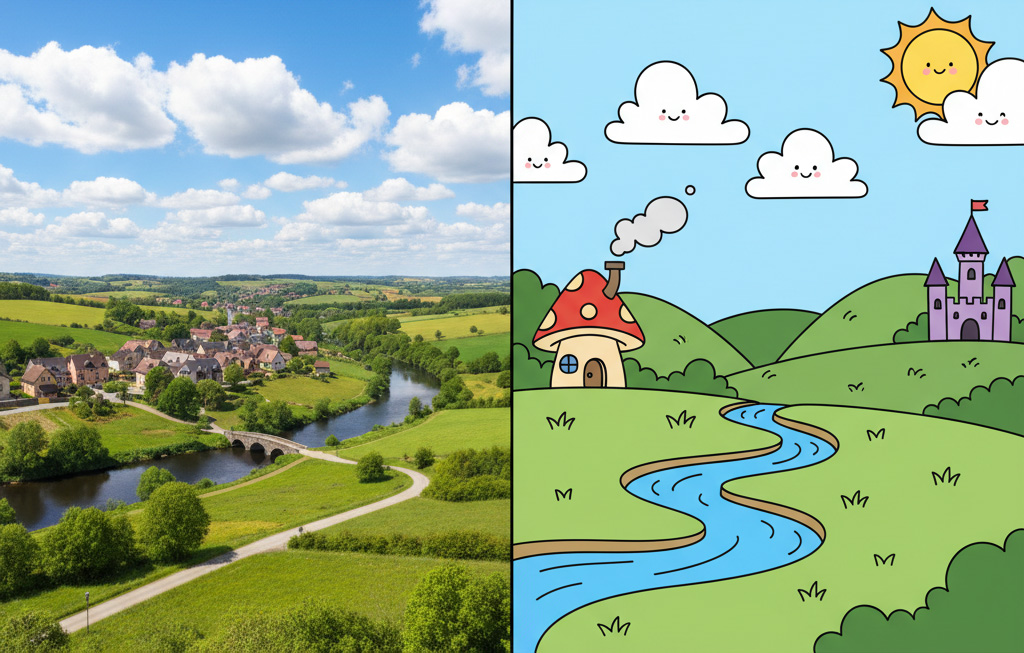
The sweet spot: mixing live action and animation
For many of the corporate and government projects we work on, the best answer isn’t live action or animation – it’s both.
A common pattern is to use live action as the emotional spine and animation as the clarity layer. We might film real staff and locations to ground the story in reality, then overlay motion graphics, titles or animated diagrams to explain the more complicated bits. The audience gets the reassurance of real people plus the benefit of a clear, visual explanation.
Think about an internal change piece announcing a new system. We could shoot on site with key people talking about why the change matters and how it affects staff day to day. On top of that, we’d add animated UI walk‑throughs, maps or timelines to show what actually happens behind the scenes. Live action alone might feel vague. Animation alone might feel detached. Together, they tell a complete story.
Hybrid work also shines in case studies and external campaigns. Real‑world footage provides proof that “this is happening here”, while animated statistics, call‑outs and visual metaphors help the key messages land quickly. In an attention‑short environment, that combination of human and graphic often performs better than either on its own.
How we help our clients choose
From our side at SilverSun, the decision about format doesn’t start with “do you want animation or a shoot?” It starts with questions.
Who needs to watch this, and what do they need to understand, feel or do afterwards? How nuanced is the subject matter – are we telling a simple story or unpacking a complex system? How long does this content need to stay relevant, and how often might it need to change? What are the practical constraints around budget, access to locations and availability of people?
Once we’re clear on those, the live action vs animation decision usually becomes much simpler. We’ll often come back with one or two recommended approaches – live action, animated or hybrid – each with pros, cons and rough budget implications. The goal is to give you a clear picture of how your idea might look and what it will take to get there, so you can make a confident call.
For some projects, that means a beautifully shot live‑action piece with minimal graphics. For others, it’s a lean but carefully structured animation that turns something complicated into something obvious. And quite often, it’s a blend: people, place and performance, supported by motion design that makes the complex parts effortless to follow.
If you’re sitting on an idea and you’re not sure which way to jump, we’re always happy to talk through the options, sketch a few visual possibilities and help you land on the mix that will do the clearest, most engaging job for your audience.