
Why animation is often the easiest way to explain hard things
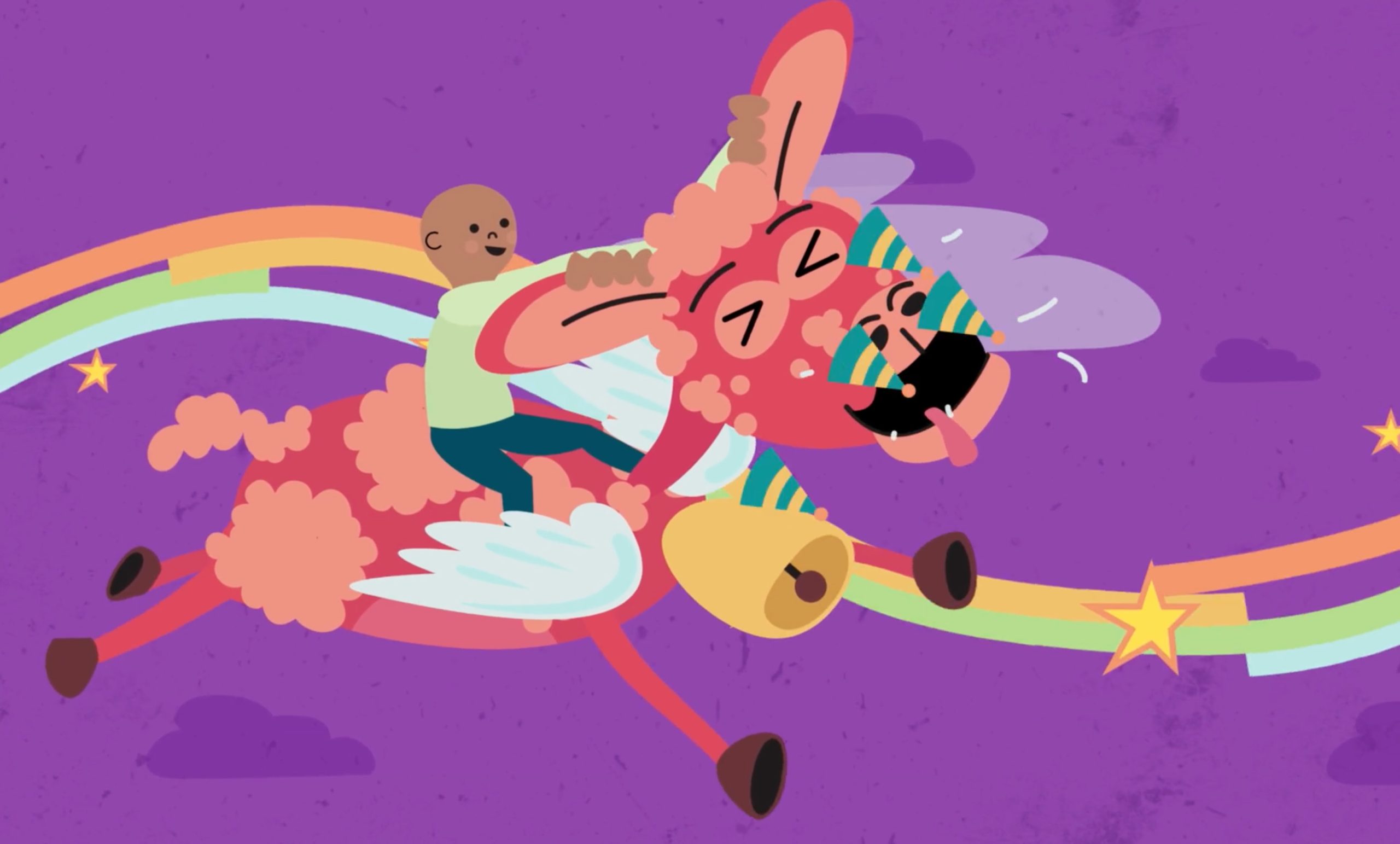
Animation is often the easiest way to explain hard things – and one of the most powerful ways to tell a story while you’re doing it. At SilverSun we use it everywhere – health and science, policy and infrastructure, onboarding, internal comms, even pure storytelling pieces.
Animation for clarity
Most of the “tricky” projects we see aren’t trying to be clever, they’re just complicated. Processes, systems, behavioural change, medical concepts, new platforms – they all tend to fall over when you throw a wall of text or a dense live‑action video at people. Animation gives you a clean slate – you can strip away distractions, reveal ideas one by one, and literally draw the connections you need people to see.
Because you’re not tied to a physical location, animation lets you go anywhere: inside a body, through a data flow, across a river system, or down into the workings of a piece of infrastructure. You can zoom in, pause, colour‑code and repeat key ideas without it feeling clunky – which is why animated explainers so often outperform text‑only or live‑action‑only content when it comes to understanding and recall.
Even simple 2D styles can do a lot of heavy lifting here. A clean icon set, a few well‑chosen colours and some thoughtful motion can turn a multi‑page process document into a two‑minute sequence people actually follow. And because we build these as modular scenes, it’s usually straightforward to tweak or swap a step later if the policy or workflow changes.
Animation for storytelling
Clarity is only half the job. If people don’t care, they won’t remember it – or act on it. This is where animation as a storytelling tool really earns its keep. With even simple 2D characters and environments, you can turn an abstract topic into a human‑scale story: someone facing a problem, making a choice, and seeing the consequences.
Characters and visual metaphors help your audience recognise themselves without feeling lectured. A person getting lost in a maze of pop‑ups can stand in for confusing online services; a single droplet moving through a stylised landscape can carry the story of an entire water system; a character living with pain or illness can make clinical information feel human and grounded. Because you control every detail – expression, pacing, colour, sound – you can make tough topics feel approachable and compassionate rather than heavy or clinical.
This is also where animation’s flexibility across 2D, 2.5D and 3D is useful. You might use simple flat characters to keep a message warm and accessible, then shift into more dimensional, technical visuals when you need to show how a complex facility or piece of equipment behaves. The audience experiences it as one continuous story rather than a sudden jump into “diagram mode”.
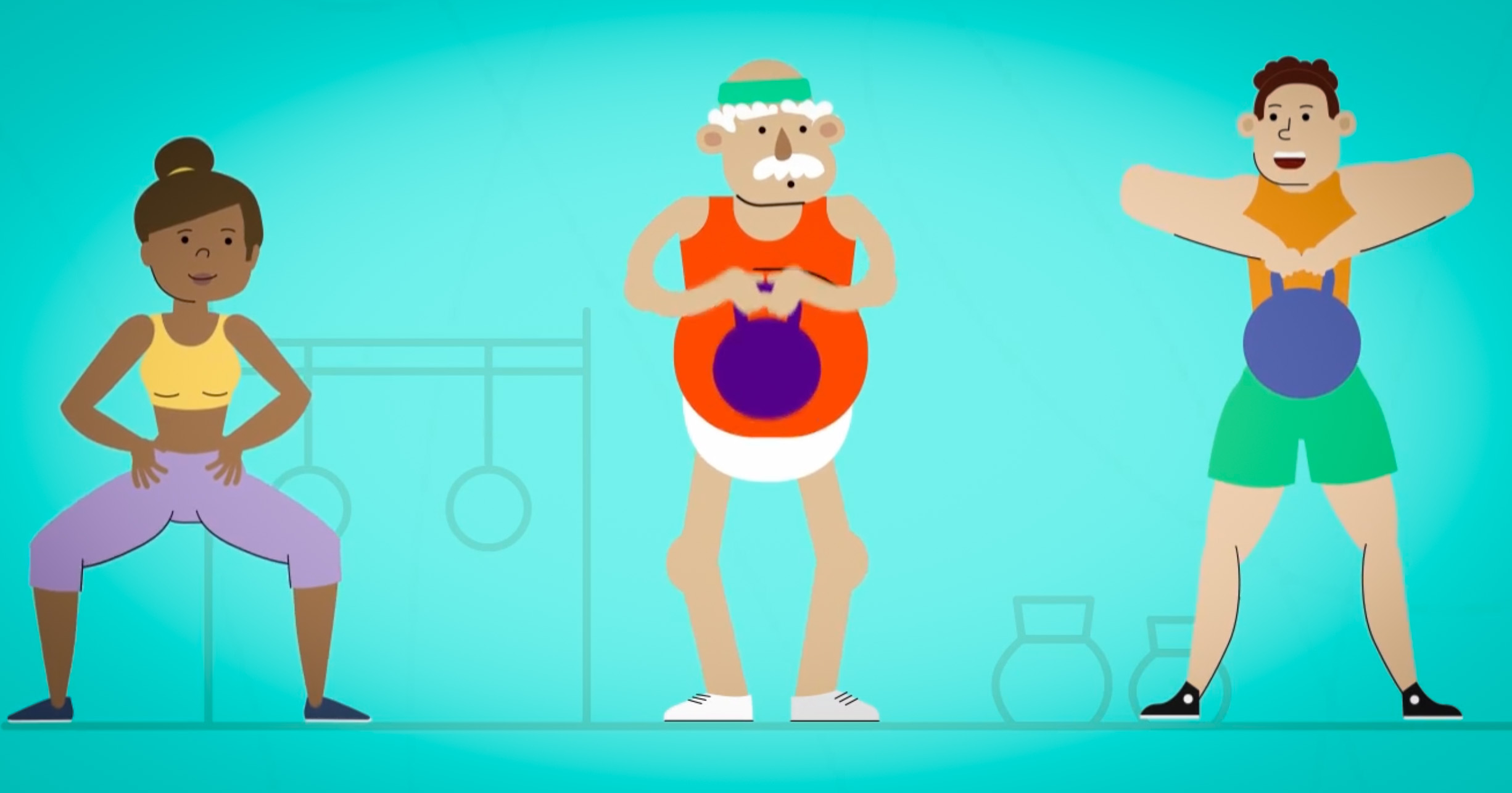
Why animation works so well across sectors
One of the reasons we use animation so much at SilverSun is that it travels well. The same tools that make it great for explaining a new medical program also work for policy changes, onboarding, safety, science communication and internal systems training. You can match the tone and visual style to the audience: softer character work for community‑facing pieces, cleaner infographic styles for technical stakeholders, or a mix of both in a single project.
Animation also solves practical problems. You don’t need to shut down a facility to film, find the “perfect” spokesperson, or worry about locations dating quickly. Once the core visual language is designed, you can update specific scenes or messages as things change, instead of reshooting an entire live‑action campaign. For national or multilingual roll‑outs, you can swap voiceovers, on‑screen text and certain culturally specific visuals without rebuilding the whole piece from scratch.
From a business point of view, that means a good animation can keep earning its keep for years, with modest refreshes, across different departments and platforms. We often see clients start with a single “flagship” explainer and then spin off shorter cut‑downs for social, training modules, or internal presentations.
How we approach animated projects at SilverSun
On our side, the most important work happens before a single frame is drawn. We start by stripping the message back to its core – what exactly needs to change for the viewer – what they understand, feel or do differently by the end. From there we design a visual metaphor and story structure that can carry that change in two or three minutes, not fifteen.
Then we move through script, storyboard and style frames so everyone can see the shape of the story before we commit to full production. This is where we test pacing “are we trying to say too much?”, check language “does this sound like you, or like a brochure?”, and make sure the visuals are doing as much work as the words. Because we handle production, animation and post under one roof, we can keep making smart trade‑offs as the piece develops – shifting emphasis, tightening sections and making sure the whole thing still lines up with the original goal.
We also think hard about voice and sound. A clear, well‑paced script and a considered soundscape do as much heavy lifting as the visuals, especially for audiences watching on small screens or with half their attention elsewhere. And we bake in accessibility from the start – subtitles, legible typography, colour contrast, mixes that work in a busy office as well as a quiet boardroom – so your animation is easy to use wherever it ends up.
Animation is a big part of how we work at SilverSun – from health and science to policy, onboarding and pure storytelling. If you’d like to see how that plays out in practice, you can explore a range of our animated projects on the website.